 The Nexus Archive
Drama
Shakespeare
The Stage of the Soul · Elizabethan and Jacobean England, 1564-1616
Shakespeare turns grief, ambition, love, madness, language, and power into dramatic action that still feels alive on the page.
- Conscience
- Ambition
- Language
- Family
- Political disorder
Life
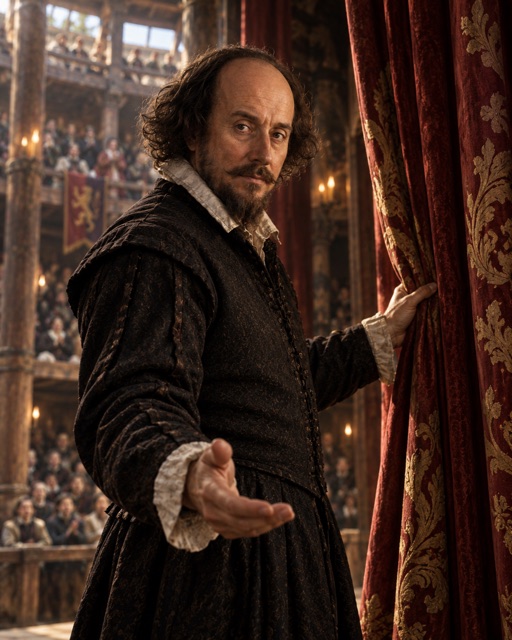
William Shakespeare was the central playwright of the English stage, writing tragedies, comedies, histories, and poems that became part of the world's shared dramatic language. His plays survive because they make private thought and public action move together.
The question
“What happens when the inner life becomes impossible to hide?”
Argued against
Flat characters, simple motives, and any picture of power, love, or grief that avoids contradiction.
Why Shakespeare matters
Shakespeare gives Nexus drama at maximum human range: kings, fools, lovers, ghosts, soldiers, daughters, murderers, and minds arguing with themselves.
Where to start
Hamlet Begin with the ghost and the question of what grief demands from the living.
Works
- Macbeth Play · Advanced A swift tragedy of prophecy, ambition, murder, fear, tyranny, and imagination turning violent.
- Hamlet Play · Advanced Shakespeare's tragedy of grief, revenge, conscience, performance, delay, and a mind trapped inside a corrupt court.
- King Lear Play · Advanced Shakespeare's tragedy of age, pride, family, inheritance, cruelty, exposure, and a kingdom broken at home.