 The Nexus Archive
Liberal Political Philosophy
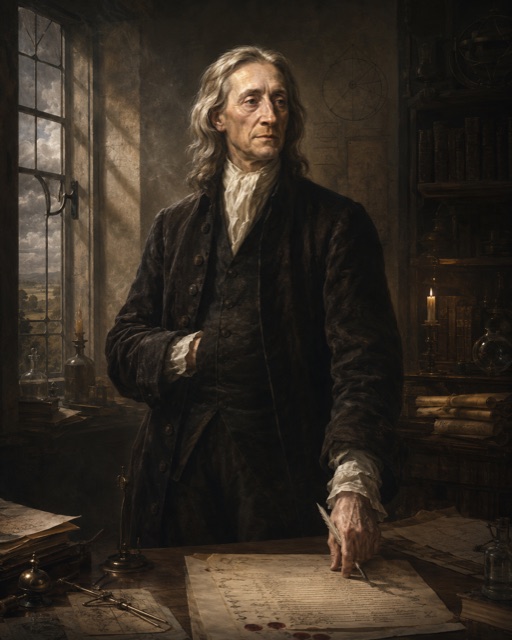
John Locke
The Philosopher of Consent · Enlightenment, 1632-1704
Locke gives modern liberty a language of rights, consent, property, and limited government.
- Natural rights
- Consent
- Property
- Toleration
- Limited government
Start with Second Treatise of Government
Life
John Locke was an English philosopher whose writings on knowledge, government, toleration, and rights helped shape liberal political thought and the American founding.
The question
“What makes political power legitimate?”
Argued against
Absolute monarchy, divine-right rule, and government without consent.
Why John Locke matters
Locke is one of the central sources for modern arguments about rights, liberty, property, and constitutional government.
Where to start
Second Treatise of Government The best entry point into Locke's political thought.
Works
- Second Treatise of Government Treatise · Advanced Locke's central argument for rights, consent, property, resistance, and limited government.
- A Letter Concerning Toleration Letter · Intermediate Locke's argument for religious toleration and limits on coercive authority.
- An Essay Concerning Human Understanding Treatise · Brutal Locke's full inquiry into ideas, language, knowledge, probability, faith, reason, and the limits of human understanding.