 The Nexus Archive
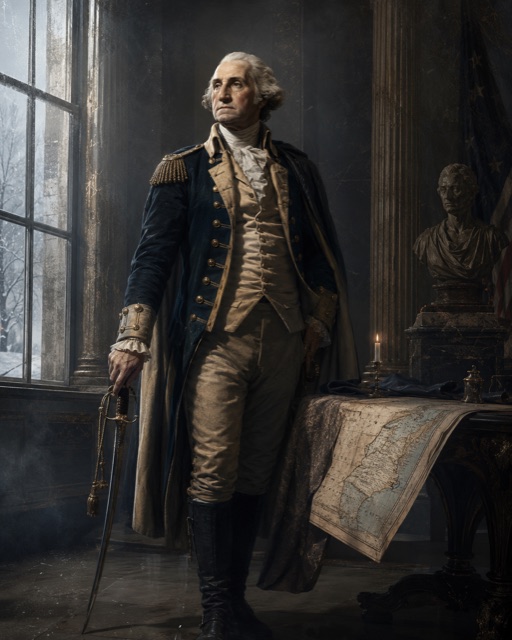
Republican Statesmanship
George Washington
The Republic's First Example · American Founding, 1732-1799
Washington turns victory into restraint and sets the pattern for republican executive power.
- Republican restraint
- Civilian authority over the military
- National unity
- Executive precedent
- Public virtue
Start with First Inaugural Address
Life
George Washington was commander of the Continental Army, presiding officer of the Constitutional Convention, and the first president of the United States. His importance lies not only in winning power, but in limiting it, defining the presidency, and making republican self-government credible.
The question
“What does power look like when it chooses restraint?”
Argued against
Military ambition, factional disunion, foreign dependency, and the temptation to turn victory into personal rule.
Why George Washington matters
Washington gave the American republic its first model of executive power, military restraint, and peaceful legitimacy. He made the presidency powerful, but not kingly.
Where to start
First Inaugural Address The best ready starting point for Washington's restraint, humility, and precedent-setting vision of the presidency.
Works
- Farewell Address Address · Intermediate Washington's central warning about national unity, faction, foreign entanglements, and the habits required for republican survival.
- First Inaugural Address Address · Beginner Washington defines the tone of the presidency before the office has real precedent.
- Letter to the Hebrew Congregation at Newport Letter · Beginner Washington's powerful statement of religious liberty, equal citizenship, and the rejection of mere toleration.
Quests with George Washington
- Liberty Earned A revolutionary test of liberty, power, union, and the price of self-rule. Founding Fathers Quest