 The Nexus Archive
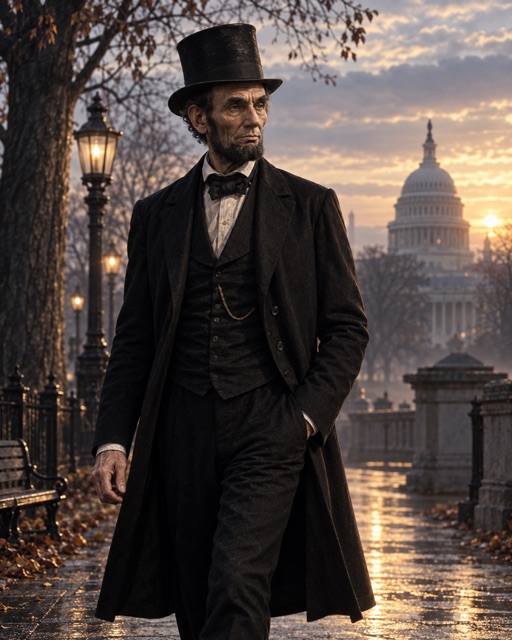
American Republicanism
Abraham Lincoln
The Union's Moral Witness · Civil War America, 1809-1865
Lincoln turns the American founding into a test of union, equality, sacrifice, and national rebirth.
- Union
- Equality
- Emancipation
- Constitutional duty
- National rebirth
Life
Abraham Lincoln was the sixteenth president of the United States and led the country through the Civil War. His speeches and state papers transformed the meaning of the Union by joining constitutional duty, emancipation, sacrifice, and the unfinished promise of equality.
The question
“Can a republic founded on liberty survive its own contradiction?”
Argued against
Secession, slavery's expansion, political fatalism, and the idea that self-government could survive while denying human equality.
Why Abraham Lincoln matters
Lincoln reinterpreted the American experiment under extreme pressure. His words turned the Civil War from a struggle over Union alone into a test of whether democratic government and human equality could survive.
Where to start
Gettysburg Address The shortest and cleanest entry point into Lincoln's vision of sacrifice, equality, and national rebirth.
Works
- Gettysburg Address Address · Beginner Lincoln compresses the meaning of the Civil War into a statement about equality, sacrifice, and national rebirth.
- Second Inaugural Address Address · Intermediate Lincoln's deepest meditation on slavery, providence, judgment, national guilt, and mercy.
- Emancipation Proclamation Proclamation · Intermediate The executive act that changed the moral and political meaning of the Civil War.
- First Inaugural Address Address · Intermediate Lincoln's argument for Union before the Civil War fully breaks open.
- House Divided Speech Speech · Beginner Lincoln's early warning that the country could not permanently endure half slave and half free.
Quests with Abraham Lincoln
- Justice & Equality A witness path through freedom, dignity, law, and the unfinished demand for equality. Justice & Equality Quest